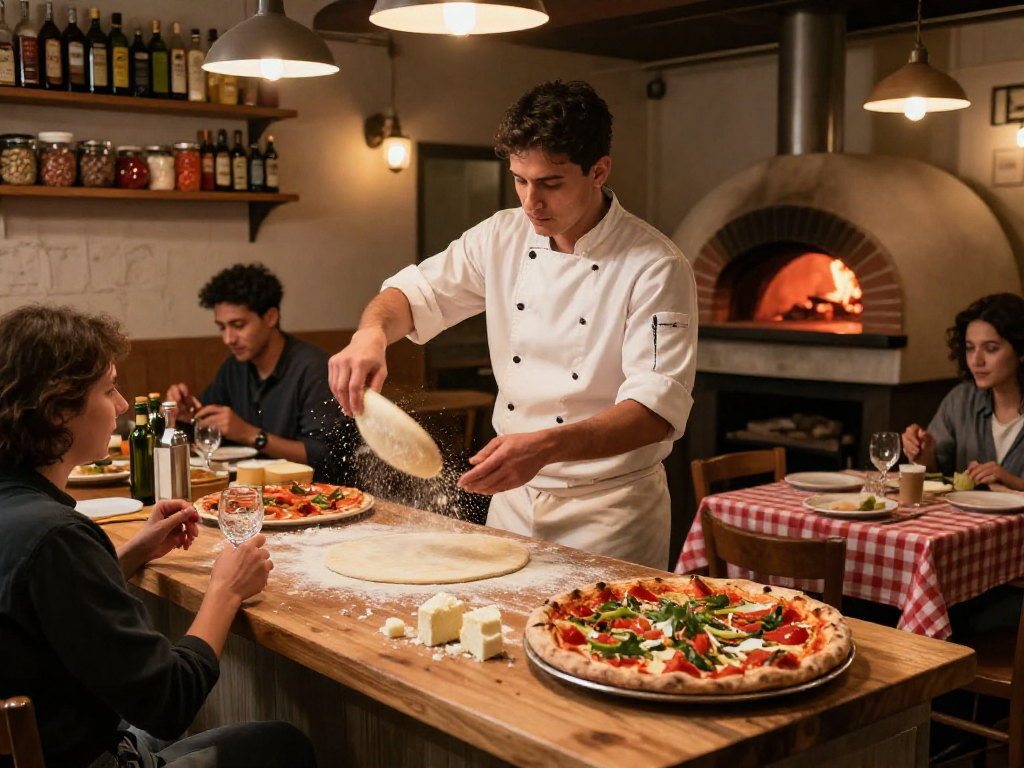
Understanding the Slot in the Pizzeria Industry
In the competitive landscape of the pizzeria industry, operational efficiency is paramount. One key element that can dictate a restaurant's success is effective slot management. This concept encompasses the strategic allocation and utilization of time slots for various operational needs, such as seating, cooking, and delivery. An in-depth understanding of slots not only enhances customer satisfaction but also optimizes staff performance and resource allocation.
What is a Slot in Restaurant Operations?
A "slot" in restaurant operations refers to specific time periods designated for various activities, such as reservations, dining sessions, or food preparation. In pizzerias, managing these slots effectively is crucial for meeting customer demand and ensuring maximum throughput. Whether it’s coordinating orders during peak hours or planning staffing schedules, the way slots are managed significantly impacts overall service quality and efficiency.
Importance of Slot Management in Pizzerias
Proper slot management in pizzerias not only streamlines operations but also improves customer experiences. By anticipating busy periods and scheduling accordingly, pizzerias can reduce wait times, prevent staff burnout, and increase table turnover rates. Furthermore, effective slot management allows for better inventory control, ensuring that ingredients are available when needed, thereby minimizing waste.
Key Metrics for Optimizing Slot Efficiency
To optimize slot efficiency, pizzeria operators should monitor several key metrics, including:
- Table Turnover Rate: The frequency with which tables are occupied and vacated within a specific period.
- Order Preparation Time: The average duration it takes to prepare and deliver a pizza.
- Customer Wait Time: The time customers wait from arriving until they are seated or served.
- Staff Productivity: Metrics relating to the output of kitchen and service staff during different slots.
Strategies to Enhance Slot Utilization in Your Pizzeria
Enhancing slot utilization requires a multifaceted approach that includes technology integration, staff training, and practical strategies refined by real-world examples. Below are several key strategies pizzeria owners can implement to improve their slot management.
Utilizing Technology for Slot Management
Advanced technology can play a transformative role in optimizing slot management. Pizzerias can deploy reservation systems that allow customers to book tables in advance, thereby streamlining customer flow. Additionally, point-of-sale (POS) systems equipped with analytics can track peak hours and suggest optimal staffing levels to meet demand efficiently.
Staff Training Techniques for Efficient Service
Investing in staff training is crucial for effective slot management. Pizzerias can implement training programs that focus on speed and efficiency, ensuring that team members understand the importance of managing their time during busy slots. Techniques such as cross-training staff to handle multiple roles can also help empower employees and improve service fluidity.
Case Studies: Successful Slot Management Examples
Several pizzerias have successfully implemented innovative slot management strategies. For example, a popular chain in Chicago optimized its weekend service by analyzing customer patterns and adjusting their staff schedules accordingly, resulting in a 20% decrease in customer wait times. Another establishment utilized digital waitlists, allowing customers to check their place in line remotely, significantly enhancing the dining experience.
Common Challenges in Slot Management and Solutions
While effective slot management can lead to success, several challenges must be addressed to maintain optimal operations in a pizzeria setting. Below are some common issues along with potential solutions.
Identifying and Addressing Inefficiencies
Pizzerias often struggle with inefficiencies stemming from poor slot utilization. Conducting regular audits of kitchen operations and service flow can help identify bottlenecks. By implementing feedback loops where staff can report challenges, operators can make informed adjustments to improve performance.
Mitigating Customer Wait Times in Busy Slots
Long wait times can deter customers from returning. Creating a more efficient seating plan and optimizing the dining room layout can help alleviate congestion during peak hours. Additionally, offering incentives such as complimentary appetizers for those who experience longer wait times can enhance customer satisfaction despite delays.
Understanding Seasonal Fluctuations and Customer Trends
Seasonal variations can significantly impact slot management in pizzerias. Analyzing historical data to understand peak seasons, such as holidays or local events, enables pizzeria owners to staff appropriately and adjust their marketing strategies to meet expected demand.
Best Practices for Promoting Your Pizzeria's Slot
Promoting slots effectively can help drive business and improve customer engagement. Leveraging various marketing strategies will ensure your pizzeria remains top of mind for potential diners.
Marketing Strategies to Communicate Dining Slots
Creative marketing strategies are essential for communicating available dining slots. Utilizing email newsletters, social media announcements, and website updates can keep customers informed about peak hours and special events. Highlighting less busy slots with promotions can also help distribute customer traffic more evenly throughout the day.
Leveraging Social Media to Showcase Busy Times
Social media platforms can be powerful tools for promoting your pizzeria’s busy times. Regular posts that feature packed dining rooms or special events can drive traffic during slower hours. Engaging with followers through live updates on slot availability can also encourage spontaneous visits.
Creating Exclusive Offers for Peak Slot Hours
Offering exclusive deals during peak slots can incentivize customers to dine during less busy times. Happy hour discounts or family meal deals can not only drive traffic but also enhance the experience of dining at your pizzeria, creating a loyal customer base.
The Future of Slot Management in Pizzerias
The pizzeria industry is continuously evolving, and effective slot management will play a crucial role in adapting to future trends. Here are some predictions for how slot management may shape the future of the industry.
Emerging Technologies Impacting Slot Efficiency
The integration of AI and machine learning into restaurant operations is set to enhance slot management practices. Predictive analytics will allow pizzerias to forecast customer demand more accurately, enabling better staffing decisions and inventory management. Additionally, innovations in contactless service could streamline the dining experience while adhering to health guidelines.
Predictions for Slot Trends in 2026
Looking ahead to 2026, we can expect further advancements in customization and personalization within the dining experience. Pizzerias may leverage data collected from customer preferences to optimize slot offerings and tailor menus based on trending ingredients or local preferences, enhancing customer satisfaction and loyalty.
Expert Insights on Maintaining Competitive Advantage
To maintain a competitive advantage, pizzeria owners must prioritize agility in their operations. Adapting quickly to changing consumer behaviors and being willing to implement innovative strategies will be key. Additionally, fostering a culture of continuous improvement within staff will ensure operations remain efficient and responsive to customer needs.
What is slot management in restaurants?
Slot management in restaurants encompasses the strategic allocation and timing of operational activities, including seating, cooking, and service delivery, to enhance customer experience and operational efficiency.
How do I optimize slot usage in my pizzeria?
To optimize slot usage, pizzeria owners should analyze customer patterns, invest in staff training, and utilize technology such as reservation systems and POS analytics to manage peak times effectively.
What challenges can affect my pizzeria's slot performance?
Challenges affecting slot performance include inefficiencies in operations, long customer wait times, and fluctuations in seasonal demand, all of which can hinder a pizzeria's ability to deliver a smooth dining experience.
How can technology improve my restaurant's slot management?
Technology can enhance slot management through the use of reservation systems, analytics for predicting customer demand, and POS systems that streamline order processing and staff allocation during peak times.
What future trends should I expect in restaurant slots?
Future trends in restaurant slots may include increased personalization of dining experiences, the use of AI for demand forecasting, and improved contactless service methods to enhance efficiency and customer satisfaction.