Understanding the Importance of Slot in Family Cooking
In today's fast-paced world, managing time effectively in the kitchen is crucial for families striving to maintain a healthy lifestyle while juggling various commitments. One key element in this equation is the concept of a "slot." A cooking slot refers to a designated timeframe allocated for meal preparation and cooking, allowing families to optimize their culinary endeavors without undue stress. With the rising popularity of meal prepping and the increasing demand for quick, nutritious options, understanding the dynamics of cooking slots has never been more critical. When exploring options, slot management provides comprehensive insights into maximizing efficiency and delivery of wholesome meals.
What is a Slot and Why It Matters?
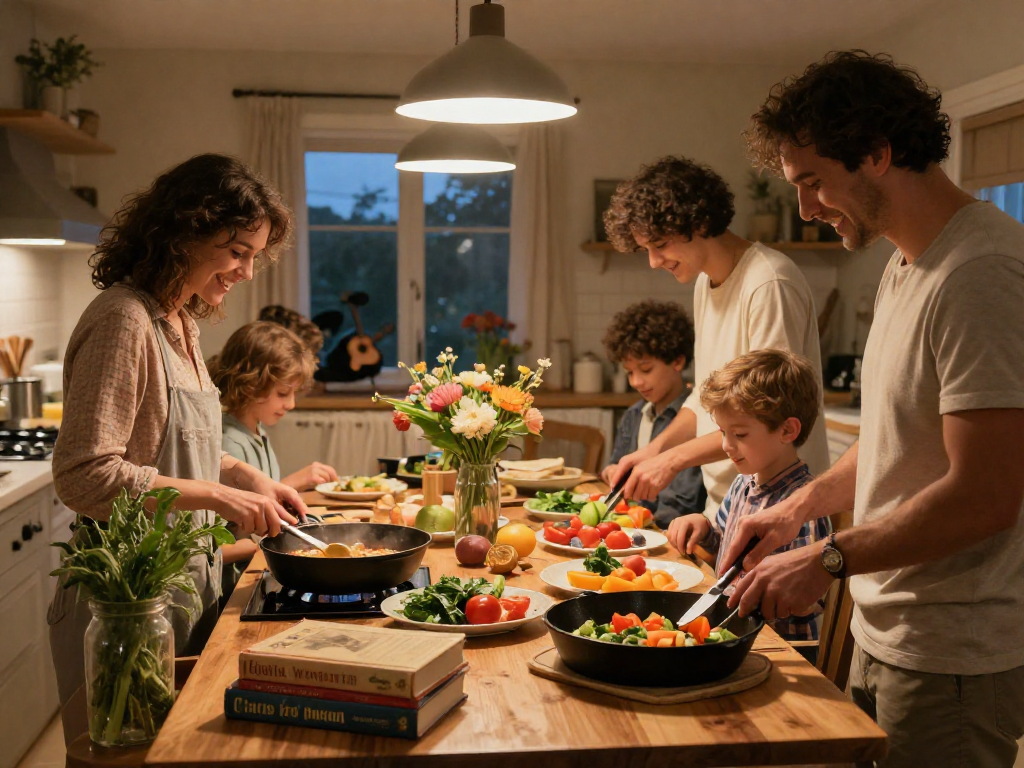
A cooking slot is not merely a time slot; it is a strategic approach to meal preparation that enables families to carve out dedicated periods for cooking amidst their busy schedules. By identifying and allocating specific segments of time during the week, families can plan meals more effectively, reduce food waste, and enhance overall meal quality. This concept is particularly important in a household where multiple family members may have different schedules, making it essential to synchronize cooking efforts for better teamwork and communication.
How Scheduling Affects Meal Quality
When families fail to allocate cooking slots, they often resort to last-minute cooking or unhealthy takeout options. Planning allows for the selection of high-quality ingredients and thoughtful recipes that cater to nutritional needs. Moreover, scheduling aids in establishing a routine, which can significantly improve meal quality and satisfaction. By treating cooking as an essential part of family life, families can enhance their relationships through shared cooking experiences while simultaneously ensuring access to balanced meals.
Common Challenges in Time Management for Cooking
Many families struggle with time management in the context of meal preparation. Common challenges include:
- Competing Schedules: Family members may have varied commitments, making it difficult to find a common time to cook.
- Lack of Planning: Without clear meal plans, families may find themselves scrambling for ideas and ingredients.
- Inadequate Resources: Limited kitchen space and equipment can hinder effective cooking during designated slots.
- Fatigue: After long, busy days, the motivation to prepare meals can diminish, leading to unhealthy decisions.
Best Practices for Optimizing Your Cooking Slot
To make the most of your cooking slot, several best practices can be adopted to enhance efficiency and productivity in the kitchen.
Techniques to Enhance Time Efficiency in the Kitchen
Enhancing time efficiency starts with a few key techniques:
- Batch Cooking: Preparing large quantities of food at once can minimize time spent cooking throughout the week.
- Prep Ahead: Washing and chopping vegetables or marinating proteins in advance can significantly cut down on cooking time.
- Use of High-Heat Methods: Techniques such as stir-frying or roasting can cook meals quickly while maximizing flavor.
Tools and Gadgets that Maximize Cooking Slots
Investing in the right kitchen tools can transform how families manage their cooking slots. Some essential gadgets include:
- Instant Pot: This multi-cooker can pressure cook, slow-cook, and more, greatly speeding up preparation times.
- Food Processor: A food processor helps with chopping, slicing, and grating, thereby reducing prep time significantly.
- Meal Prep Containers: These containers are ideal for storing prepped ingredients or entire meals, making it easy to grab and go.
Meal Planning Strategies for Competitive Schedules
For families navigating tight schedules, effective meal planning strategies can make all the difference:
- Set a Weekly Menu: Designating specific meals for each day can streamline grocery shopping and reduce last-minute decisions.
- Use Theme Days: Establishing theme days (e.g., Meatless Mondays, Taco Tuesdays) can simplify planning and inspire creativity.
- Involve Family Members: Engaging everyone in the meal planning process ensures preferences are met while sharing the workload.
Creative Approaches to Filling Your Cooking Slot
Filling your cooking slot doesn’t have to be a chore; it can be a creative process that brings excitement to meal preparation.
Innovative Recipes that Save Time and Ingredients
When time is limited, innovative recipes that require minimal ingredients can be a lifesaver. Consider the following options:
- One-Pan Dishes: These recipes reduce both cooking and cleanup time, making them a perfect fit for busy families.
- 30-Minute Meals: Focus on meals that boast a complete protein, carb, and vegetable in less than 30 minutes.
- Freezer Meals: Preparing meals ahead and freezing them can save time during hectic weeks.
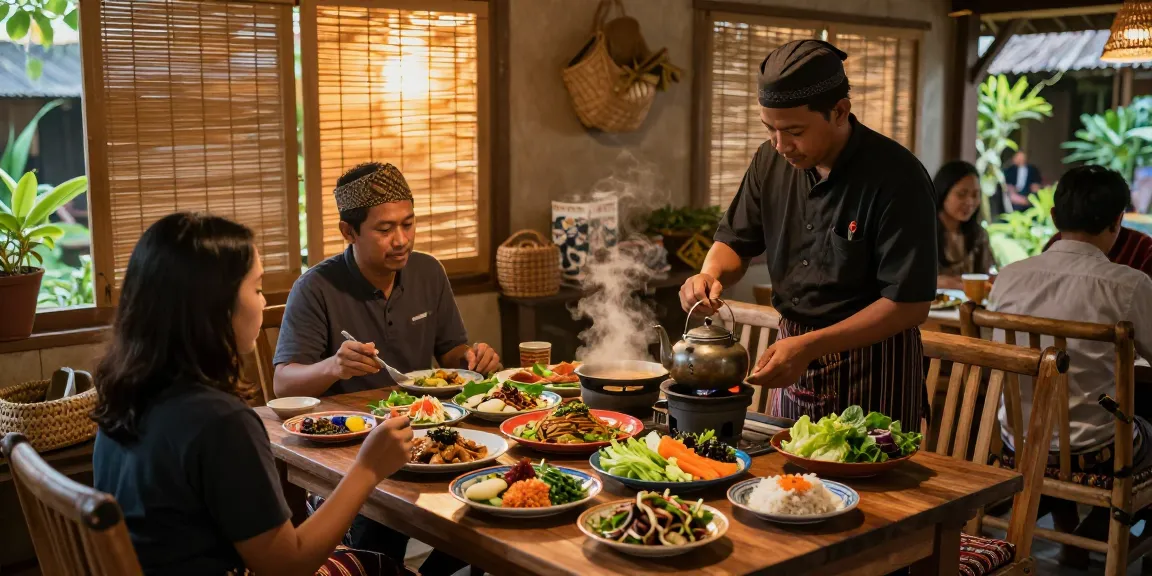
Exploring Cuisines: Quick Dishes from Around the World
Diversity in cuisine can make meal prep more enjoyable. Families can explore quick dishes from around the world, such as:
- Stir-Fried Noodles: A quick and versatile recipe that can be adjusted according to available ingredients.
- Tacos: Easy to assemble with various fillings, making them fun and customizable for everyone.
- Curries: Speedy curry recipes can be made within one pot, delivering robust flavors in minimal time.
Utilizing Leftovers Effectively
Leftovers can be a blessing when managed effectively. Here’s how to transform yesterday's dinner into today’s lunch:
- Repurpose Ingredients: Use leftover roasted chicken in salads, wraps, or soups to create new meals effortlessly.
- Mix and Match: Combine various leftovers to create mixed plates that feel fresh and exciting.
- Make a Frittata: Whipping up a frittata with assorted leftovers is a fantastic way to minimize waste while enjoying a nutritious meal.
Real-world Examples of Effective Slot Management
Seeing slot management in action can inspire families looking to improve their cooking efficiency.
Case Studies of Families Excelling in Meal Prep
Numerous families have reported enhanced harmony in their kitchen routines through strategic slot management. By conducting interviews and surveys, we can identify successful strategies:
- Family A: Implemented Sunday meal prep, allowing them to store meals for the week, thereby reducing stress during weekday dinners.
- Family B: Created a rotating recipe list that keeps meals fresh while allowing quick access to favorites.
Interviews with Chefs on Efficient Cooking Techniques
Chefs emphasize the importance of organization and preparation. Insight from professional chefs can provide valuable lessons for home cooks:
- Chef Sam suggests investing in a good knife for efficient prep work, as it speeds up the chopping process drastically.
- Chef Maria highlights the use of mise en place, or prepping all ingredients before cooking, to streamline the cooking process.
Lessons Learned from Busy Households
Busy households offer a plethora of insights into effective meal prep. Key takeaways include:
- Time Blocking: Designating specific time blocks for meal prep can lead to greater efficiency.
- Sharing Responsibilities: Distributing cooking tasks among family members can foster teamwork and make the experience more enjoyable.
Future Trends in Family Cooking Slots Beyond 2026
Looking ahead, the landscape of family cooking will evolve significantly, influenced by technology and changing societal dynamics.
The Role of Technology in Home Cooking
As technology continues to advance, the integration of smart appliances and apps will reshape meal preparation:
- Smart Fridges: These can assist in inventory management, alerting families when ingredients are running low.
- Recipe Apps: With features for meal planning, families can navigate their cooking slots with greater ease and confidence.
Emerging Nutrition Guidelines and Their Impact
Future cooking practices will also adapt to emerging nutrition guidelines, focusing on health and wellness:
- Emphasis on plant-based meals will encourage families to explore new ingredients and preparation methods.
- Greater awareness of portion sizes will help families make informed decisions about ingredient quantities and meals.
How to Adapt to Evolving Family Dynamics in Meal Prep
As family dynamics change, meal preparation will need to be flexible:
- Accommodating Dietary Restrictions: Families will need to consider various dietary needs, leading to more inclusive meal planning.
- Engaging Children: Teaching kids to cook will become increasingly important, encouraging healthy habits from a young age.