
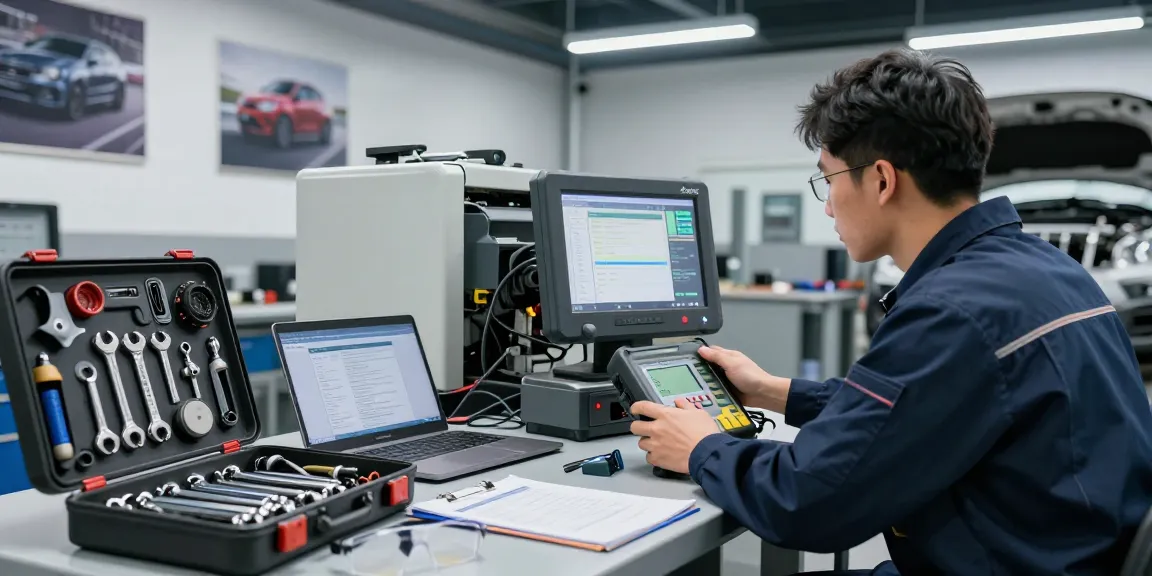

Understanding the NAGA2000 Diagnostic Tool
The NAGA2000 is a groundbreaking diagnostic tool that has revolutionized the way mechanics approach automotive repairs. This sophisticated device is designed to help technicians identify issues in a variety of vehicles, enabling quicker and more accurate repairs. As the automotive industry evolves, tools like the NAGA2000 are becoming indispensable. Not only does it simplify diagnostics, but it also integrates seamlessly with contemporary vehicle systems, making it a must-have for any modern repair shop. For more information on how this tool can enhance your automotive services, check out our detailed guide on the NAGA2000.
What is the NAGA2000 and Its Purpose?
The NAGA2000 is an advanced diagnostic tool designed for automotive technicians. Its primary purpose is to diagnose vehicle issues through a detailed analysis of various electronic systems. By connecting to a vehicle’s onboard computer, it retrieves critical data that can pinpoint malfunctions, ranging from engine problems to sensor failures. This diagnostic capability not only saves time but enhances the accuracy of repairs, ultimately leading to increased customer satisfaction.
Key Features of the NAGA2000
- Comprehensive Vehicle Coverage: The NAGA2000 supports a wide range of vehicles, including domestic and international brands.
- User-Friendly Interface: Equipped with an intuitive touch screen, the device allows users to navigate through various functions easily.
- Real-Time Data Display: Technicians can view live data streams from sensors, making it easier to identify issues as they occur.
- Error Code Database: The tool features an extensive library of diagnostic trouble codes (DTCs) to help interpret issues quickly.
- Wireless Connectivity: The NAGA2000 allows mechanics to connect wirelessly to the internet for updates and additional resources.
Common Misconceptions About the NAGA2000
There are several misconceptions surrounding the NAGA2000 that can lead to underutilization of its capabilities. One common belief is that diagnostics are solely for high-tech vehicles; in reality, the NAGA2000 can effectively diagnose older models as well. Additionally, some technicians think that once they understand how to read codes, they no longer need to utilize the tool’s comprehensive features. However, the true power of the NAGA2000 lies in its ability to analyze real-time data, not just error codes.
Best Practices for Using the NAGA2000
Step-by-Step Guide to Operating the NAGA2000
- Connect to the Vehicle: Insert the diagnostic connector into the vehicle’s OBD-II port.
- Power Up the Device: Turn on the NAGA2000 and allow it to establish a connection with the vehicle.
- Select Diagnostic Mode: Choose the appropriate diagnostic mode based on the vehicle type and issue.
- Run Diagnostics: Initiate the scan and let the NAGA2000 collect data and generate reports.
- Review Results: Analyze the generated codes and real-time data to identify issues.
Common Pitfalls When Using Diagnostic Tools
While the NAGA2000 is designed to simplify diagnostics, there are pitfalls that users should avoid. One major mistake is neglecting to update the tool regularly, which can result in outdated code libraries and missing features. Additionally, failing to familiarize oneself with the user manual can lead to misinterpretation of data. Finally, relying solely on the tool’s output without cross-referencing with manufacturer guidelines can lead to incorrect diagnoses.
How to Maximize Accuracy with the NAGA2000
To ensure the utmost accuracy when using the NAGA2000, technicians should maintain a regular calibration schedule. It is also beneficial to pair the NAGA2000 with practical experience in automotive repair, as hands-on knowledge complements the tool’s data output. Regular training on updates and new features is equally important to keep skills sharp and techniques current.
Challenges Faced by Mechanics with the NAGA2000
Hardware and Software Integration Issues
One of the critical challenges mechanics face is hardware and software integration. Although the NAGA2000 is designed to be compatible with various vehicle types, issues may arise due to outdated software versions or conflicting hardware components. Keeping firmware updated and ensuring compatibility with the latest vehicle models can mitigate these challenges.
Understanding Error Codes and Their Meanings
Error codes are essential for diagnostics, but understanding their meanings can be complex. The NAGA2000 simplifies this process through its extensive DTC library; however, mechanics must still interpret the data contextually. Cross-referencing codes with manufacturer resources and service manuals is necessary for accurate repairs.
Preventing User Error in Diagnostics
User error can significantly undermine the diagnostic process. Common errors stem from misinterpretation of data or overlooking crucial system indicators. To prevent this, mechanics should always verify diagnostic results with additional testing and analysis. Using the NAGA2000 in conjunction with other diagnostic tools can also provide a more holistic view of a vehicle’s condition.
Real-World Applications of the NAGA2000
Case Studies of Successful Diagnostics Using the NAGA2000
Numerous case studies highlight the NAGA2000’s effectiveness in real-world scenarios. For example, a local repair shop utilized the tool to diagnose a persistent check engine light on a customer’s vehicle. The NAGA2000 identified a faulty oxygen sensor, enabling the technician to replace it quickly, leading to an immediate resolution of the issue. This case underscores the tool’s ability to streamline the diagnostic process and enhance repair efficiency.
Comparative Analysis with Other Diagnostic Tools
In comparison to other diagnostic tools on the market, the NAGA2000 stands out for its extensive vehicle coverage and advanced features. While some competitors may offer basic code reading functionalities, the NAGA2000 provides in-depth analysis with real-time data and an intuitive interface. This leads to a more comprehensive understanding of vehicle health, making it a superior choice for many professionals in the industry.
Share Your Experiences: User Testimonials
User feedback is crucial for any tool’s evolution. Many technicians who have adopted the NAGA2000 report improved efficiency and accuracy in their diagnostics. One mechanic noted, “Since I started using the NAGA2000, my diagnostic times have halved, and my clients are happier than ever with the quick service.” Such testimonials illustrate the tool’s impact on daily operations in repair shops across the country.
Future of Automotive Diagnostics with NAGA2000
Emerging Trends in Diagnostic Technology
The future of automotive diagnostics is rapidly evolving, with several emerging trends that will influence tools like the NAGA2000. One significant trend is the integration of artificial intelligence (AI) to enhance data analysis and predictive diagnostics. Furthermore, advancements in cloud technology will enable more robust data sharing and customer management functionalities, allowing technicians to access vehicle histories more efficiently.
Predictions for the NAGA2000 in 2026 and Beyond
As we look ahead to 2026, predictions indicate that the NAGA2000 will evolve to incorporate more sophisticated features, such as augmented reality interfaces that provide step-by-step repair instructions. Additionally, the integration of machine learning algorithms could help the device learn from past diagnostics, ultimately improving its accuracy and user experience over time.
Preparing for New Features and Software Updates
To stay ahead, technicians should actively monitor updates from the NAGA2000 manufacturer. Regular training sessions can help users understand new features and how to implement them effectively. Preparing for these updates ensures that mechanics can leverage the latest advancements in technology to maintain a competitive edge in automotive diagnostics.
How Can Technicians Stay Informed?
Staying informed about developments in diagnostic technology is essential for automotive professionals. Following industry news, participating in relevant forums, and attending workshops can help technicians remain current. Additionally, the manufacturer’s website and user community can be valuable resources for the latest updates and best practices for the NAGA2000.