

Understanding Nepalese Cuisine
Nepalese cuisine is a vibrant tapestry of flavors, aromas, and traditions woven into the rich cultural heritage of Nepal. Nestled in the heart of the Himalayas, Nepal boasts a diverse culinary landscape influenced by its ethnic groups, geography, and climate. Unlike many other cuisines, Nepalese food stands out due to its unique blend of spices, cooking techniques, and staple ingredients that reflect the lifestyle of its people. If you’re intrigued by the culinary treasures from this part of the world, exploring https://namastecurryandmomo.com will provide you with an exceptional insight into authentic Nepalese dishes.
What Makes Nepalese Food Unique?
At the core of Nepalese cuisine is its emphasis on freshness and variety. Meals are often served with several accompaniments, including rice, lentils, vegetables, and pickles, creating a harmonious balance of flavors and textures. What truly makes Nepalese food distinct is the use of spices. Unlike the fiery heat found in some Southeast Asian cuisines, Nepalese spices add depth and warmth, enhancing the natural flavors of the ingredients without overpowering them.
Moreover, Nepalese cuisine is deeply rooted in tradition and familial customs. Cooking and eating are communal activities, often shared among family and friends, further enhancing the flavor of the dishes through the bonds formed over meals.
Key Ingredients in Nepalese Cooking
Several key ingredients define Nepalese cooking. Rice is the staple food, often served with dal (lentils) and tarkari (vegetables). Other crucial components include:
- Spices: Cumin, coriander, turmeric, and fenugreek are commonly used to flavor dishes.
- Herbs: Fresh cilantro and garlic add a fresh aroma to many meals.
- Additives: Ghee or oil, often used for frying and cooking, adds richness and depth to dishes.
- Meats: Chicken, goat, and fish are frequent in non-vegetarian dishes, while various legumes and grains offer protein for vegetarian options.
The Cultural Significance of Food in Nepal
Food in Nepal serves as more than just sustenance; it embodies the spirit of hospitality and cultural identity. Traditional festivals and celebrations are often marked by specific dishes that are prepared with love and served to guests, reflecting Nepalese values of sharing and togetherness. The act of eating is also interwoven with rituals; for instance, during Dashain, a significant festival, families come together to prepare and enjoy goat meat as part of their tradition.
Iconic Dishes to Try at https://namastecurryandmomo.com
When you visit https://namastecurryandmomo.com, you are in for a culinary journey that showcases some of the most iconic dishes from Nepal. Each dish tells a story and represents a unique aspect of Nepalese culture.
Delicious Momos: The National Snack
Momos, a beloved dumpling originating from Tibet, have become a cherished national snack in Nepal. These dumplings can be stuffed with a variety of fillings, including minced meat, vegetables, or cheese, and are either steamed or fried for a delectable treat. They are typically served with a spicy dipping sauce known as achar, which enhances their flavors and makes them incredibly satisfying.
Exploring Various Curries and Their Flavors
Curry dishes in Nepal are diverse, reflecting regional variations and personal recipes passed down through generations. Popular options include:
- Chicken Curry: A flavorful dish that combines tender chicken pieces simmered in a rich sauce of spices and tomatoes.
- Palak Curry: Spinach cooked with spices, offering a healthy and delicious vegetarian option.
- Dal Bhat: A traditional meal featuring lentil soup served with rice, complemented by various side dishes.
Vegan and Vegetarian Options Available
Nepalese cuisine offers a plethora of vegan and vegetarian options that are not only healthy but also hearty. Dishes like chana masala (spiced chickpeas), aloo gobi (potatoes and cauliflower), and saag (leafy greens) are just a few examples of the vibrant options available for those seeking plant-based meals.
The Dining Experience
Dining at Namaste Curry and Momo is not just about the food; it’s an experience that resonates with the essence of Nepalese culture.
Ambience and Decor at Namaste Curry and Momo
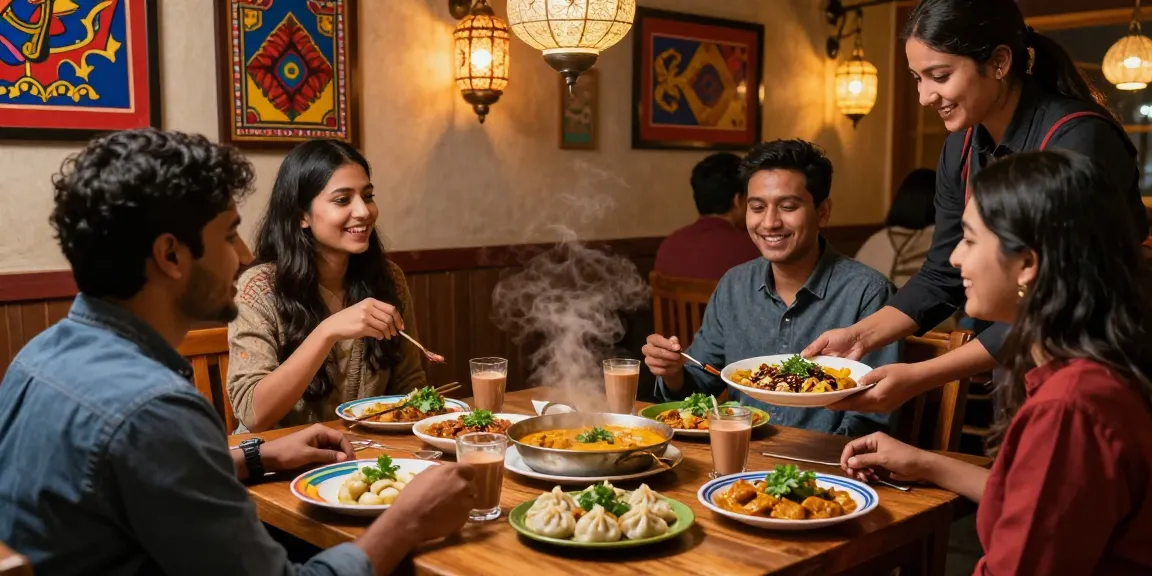
The decor at Namaste Curry and Momo reflects the rich heritage of Nepal. Warm colors, traditional artwork, and cultural artifacts create a cozy and inviting atmosphere, encouraging patrons to immerse themselves in the experience. Soft music, often featuring traditional instruments, complements the dining ambiance, making meals even more enjoyable.
Service Style and Recommendations
At Namaste Curry and Momo, expect attentive service that mirrors Nepalese hospitality. Staff are knowledgeable about the menu and can recommend dishes based on your preferences. Whether you’re a newcomer or a seasoned diner, the service team is eager to ensure your experience is memorable.
Pairing Beverages with Meals
The right beverage can elevate your dining experience. Traditional drinks such as masala chai (spiced tea) and nepali raksi (a local alcoholic beverage) complement Nepalese cuisine beautifully. For those preferring non-alcoholic options, fresh fruit juices and herbal teas are refreshing choices that pair well with rich meals.
Preparing Nepalese Dishes at Home
If you’re inspired to recreate the flavors of Nepal in your own kitchen, several essential recipes will help you get started on this culinary adventure.
Essential Nepali Recipes to Try
Start with these classic recipes:
- Momo: Learn to make your own dumplings with various fillings.
- Dal Bhat: A staple meal that brings together rice and lentils in a harmonious way.
- Gundruk: Fermented leafy greens that provide a unique taste and can be used in various dishes.
Ingredients: Where to Find Authentic Products
To recreate authentic flavors, sourcing ingredients is key. Look for Asian grocery stores or local markets that carry specific spices and produce typical in Nepalese cuisine. Online retailers also offer a range of authentic ingredients, making it easier to stock your pantry.
Step-by-Step Cooking Guide
Follow cooking guides and recipes to ensure proper preparation and cooking techniques. Pay attention to the spice blends, as each adds a unique flavor profile essential for authentic Nepalese cooking. Experiment with cooking methods, such as steaming or slow-cooking, to bring out the best in your dishes.
The Future of Nepalese Cuisine
As we look toward 2026, Nepalese cuisine is poised to evolve while retaining its cultural roots. This evolution is driven by globalization, technological advancements, and changing consumer preferences.
Trends in 2026: What to Expect?
We can anticipate a rise in fusion cuisine that combines traditional Nepalese dishes with international flavors. Chefs will continue to innovate, creating unique culinary experiences that appeal to a broader audience while respecting the authenticity of the ingredients and cooking methods.
How Globalization is Influencing Traditional Recipes
Globalization is leading to the introduction of new ingredients and culinary techniques in Nepalese cooking. As chefs explore international influences, we may see traditional recipes adapted to incorporate local and global flavors, creating exciting new dishes that reflect a modern twist on culinary classics.
Supporting Local and Sustainable Practices
There is a growing emphasis on sustainability and using local ingredients in Nepalese cuisine. Restaurants are increasingly focusing on sourcing from local farmers and using organic produce, ensuring freshness and supporting the local economy. Expect to see more menus that highlight seasonal ingredients and environmentally friendly practices.
What are the best dishes to try at Namaste Curry and Momo?
The best dishes at Namaste Curry and Momo include their signature momos, rich curries, and a variety of vegetarian options that showcase the flavors of Nepal.
Can I find vegan options on the menu?
Yes, Namaste Curry and Momo offers an array of vegan options, including delightful vegetable curries and refreshing salads, perfect for plant-based eaters.
How do I prepare momos at home?
To prepare momos at home, gather your desired fillings, wrap them in dough, and steam them until tender. The process is straightforward and highly rewarding.
What beverages pair well with Nepali cuisine?
Traditional beverages like masala chai, fresh fruit juices, and local raksi enhance the flavors of Nepali meals wonderfully.
How is Nepalese cuisine evolving in 2026?
In 2026, expect Nepalese cuisine to embrace global influences while focusing on sustainability, local sourcing, and innovative fusion dishes.