
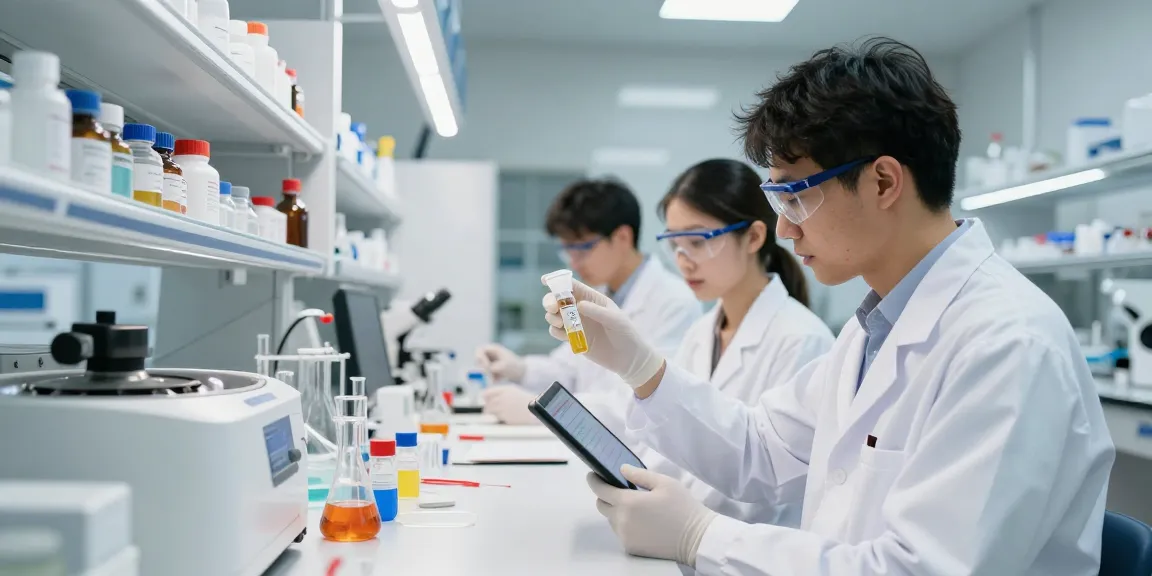

Understanding Lyophilized Peptide Vials
Lyophilized peptide vials represent a crucial advancement in the field of laboratory research, particularly for scientists exploring the realms of biochemistry and molecular biology. These vials contain peptides that have undergone a freeze-drying process, allowing for enhanced stability and prolonged shelf life, thus becoming a preferred choice for researchers needing precise and reliable results. When exploring options, lyophilized peptide vial provide comprehensive insights into the formulation and application of peptide blends designed to aid in various research protocols.
What Are Lyophilized Peptide Vials?
Lyophilized peptide vials are containers designed to store peptides in a dry form, achieved through a process known as lyophilization or freeze-drying. This method removes the moisture from peptide solutions while preserving their structural integrity and biological activity. The end product, a powder, can be reconstituted with a suitable solvent (often bacteriostatic water) before use in laboratory experiments. This makes them particularly valuable for long-term storage and transportation without compromising quality or potency.
Importance of Purity and Quality Standards
The purity of peptides is paramount in research applications, as impurities can significantly alter experimental outcomes. At VialPepLab, each component of the blends is HPLC-verified separately to achieve a purity level of ≥99%. This stringent quality control measure ensures that researchers receive consistent and reliable materials for their studies. Certificates of Analysis (COAs) accompany each blend, documenting the purity, mass deviation, and final blend ratio, reinforcing the commitment to quality and integrity in research.
Applications in Research and Development
Lyophilized peptide vials are widely utilized in various areas of research, including drug development, cellular studies, and the investigation of signaling pathways. Their application spans across multiple disciplines, such as oncology, immunology, and regenerative medicine, where controlled studies involving multi-compound interactions are essential. Furthermore, the availability of pre-formulated blends and bundles, such as the Recovery Stack (BPC-157 + TB-500 + GHK-CU), facilitates more straightforward implementation of complex research protocols.
Benefits of Using Peptide Blends and Bundles
The adoption of peptide blends and bundles offers numerous advantages for researchers. These benefits extend beyond mere convenience; they include financial, practical, and experimental enhancements that can significantly impact the efficiency and efficacy of laboratory studies.
Cost-Effectiveness of Bundled Compounds
One of the primary benefits of using peptide bundles is cost savings. By purchasing multiple peptides in a single bundle, researchers can often access these materials at a reduced price compared to buying each component separately. This cost-effectiveness allows for broader experimentation and the ability to allocate budgets more efficiently across various research projects. Moreover, bundled compounds are typically designed to complement one another, further enhancing experimental design.
Streamlining Research Protocols
Pre-formulated peptide blends streamline research protocols, allowing researchers to focus on experimental designs rather than individual component preparation. This ease of use is particularly beneficial in high-throughput environments where time and consistency are critical. Having all necessary peptides in one vial simplifies the process of preparing dilution series or other necessary concentrations, reducing the risk of human error that can occur during the preparation of multiple individual solutions.
Enhancing Experimental Accuracy
Utilizing peptide blends enhances the accuracy and reproducibility of experimental results. By standardizing the amount and quality of peptides used in research, scientists can better compare outcomes across different experiments. The consistent use of high-purity peptides ensures that variations in results are more likely a reflection of the biological system being studied rather than discrepancies in peptide quality.
Choosing the Right Peptide at VialPepLab
Selecting the appropriate peptide blend or bundle is crucial for successful research outcomes. At VialPepLab, various factors should be considered when making this selection to ensure the peptides align with specific research objectives.
Factors to Consider When Selecting Peptides
When choosing peptides, researchers should consider factors such as peptide sequence, intended application, and compatibility with other compounds involved in their experiments. It’s essential to evaluate the research goals and select peptides that facilitate achieving those objectives. Additionally, understanding the stability and solubility of the peptides is important to ensure proper handling and usage during experiments.
Understanding Component Interactions
In research involving multiple peptides, understanding the interactions between different peptide components is vital. Certain peptides may enhance or inhibit the effects of others, influencing overall experimental outcomes. Researchers should familiarize themselves with how specific combinations of peptides can create synergistic effects or alter signaling pathways, thereby optimizing their experimental designs.
Evaluating Research Needs and Specifications
Evaluating research needs involves understanding the specific requirements of the experiment, including concentration, delivery method, and the biological model being used. This assessment ensures that the selected peptide bundles effectively address the intended research aims. Documentation, such as COAs, helps confirm the specifications required for the study and ensures compliance with laboratory standards.
Quality Assurance and Regulatory Compliance
Quality assurance in peptide production is critical for maintaining the integrity of scientific research. Regulatory compliance ensures that all products meet established safety and quality standards, further reinforcing the role of reliable peptide suppliers like VialPepLab.
HPLC Verification Process Explained
The High-Performance Liquid Chromatography (HPLC) verification process is a cornerstone of quality control in peptide synthesis. This technique allows for the separation, identification, and quantification of peptide components, ensuring they meet the purity standards necessary for research applications. Every batch undergoes this rigorous testing, providing researchers with confidence in the materials they are using.
Understanding Certificates of Analysis (COAs)
Certificates of Analysis (COAs) are essential documents that provide detailed information about the quality and specifications of peptide products. COAs include data on the purity of the peptide, batch numbers, and any deviations from specified standards. Researchers should utilize COAs as a key part of their quality assurance process, ensuring that all materials meet their research needs.
Legal Considerations for Research Use
All products offered by VialPepLab are intended strictly for laboratory research use only. Understanding the legal implications of peptide synthesis and handling is essential for compliance with regulations governing scientific research. Researchers must ensure that they are aware of and adhere to all legal guidelines regarding the use of peptides, particularly concerning human and veterinary applications.
Future Trends in Research Peptides
As the scientific community continues to evolve, several trends are emerging in the field of peptide research that are shaping the future of this critical area of study.
Emerging Technologies in Peptide Synthesis
Advancements in peptide synthesis technologies, such as solid-phase peptide synthesis (SPPS) and automated synthesis platforms, are paving the way for the development of more complex and diverse peptide structures. These technologies enable researchers to produce bespoke peptides quickly and efficiently, expanding the scope of potential research applications.
Predictions for Research Innovations by 2026
By 2026, we can expect to see significant innovations in peptide research, including the discovery of new therapeutic applications and improved methods for peptide delivery. As researchers deepen their understanding of peptide interactions within biological systems, new avenues for treatment in fields like oncology and regenerative medicine are likely to emerge.
Impact of Regulatory Changes on Peptide Research
Ongoing changes in regulatory frameworks surrounding biotechnology will influence the landscape of peptide research. It is crucial for researchers to stay informed about these changes, as they can affect the availability of materials, funding opportunities, and research collaboration conditions. Adapting to new regulations will be essential for maintaining compliance and maximizing research potential.
What Are the Best Practices for Researchers?
To ensure successful outcomes in peptide research, scientists should adopt best practices that include thorough planning of experiments, clear documentation of methodologies, and adherence to safety protocols. Establishing a routine for quality checks and maintaining open communication within research teams can enhance the overall efficiency of research projects.
How to Ensure Ethical Use of Peptides?
Ensuring the ethical use of peptides involves a commitment to transparency and integrity in research practices. Researchers should consider the implications of their studies, particularly those that may lead to human or animal testing, and ensure that all experiments are conducted with the utmost care and ethical consideration.
Can Peptide Research Influence Future Therapies?
Indeed, peptide research holds significant promise for influencing future therapies. With ongoing studies into their mechanisms of action, peptides are being explored as potential treatments for various diseases, including metabolic and age-related disorders. As research continues to uncover the therapeutic potential of peptides, they are likely to play an integral role in the development of next-generation treatments.