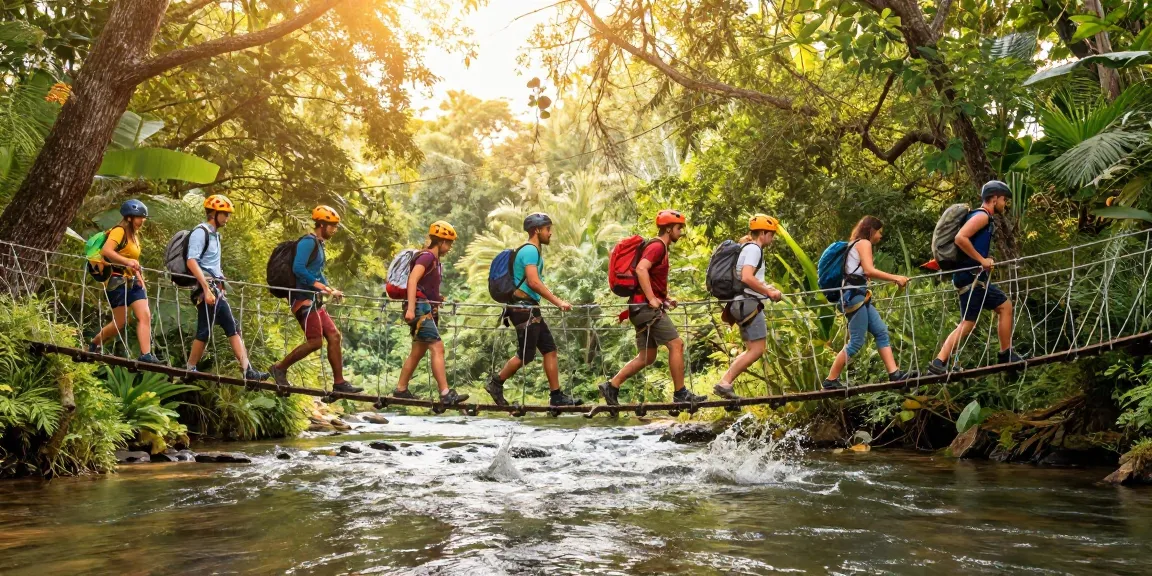
Understanding the Basics of River Rope Bridges
River rope bridges are not just functional structures but also fascinating feats of engineering that blend seamlessly into the natural landscape. These suspended walkways typically comprise a network of ropes and planks designed to allow safe passage over rivers or deep ravines. As interest in outdoor activities and eco-friendly transportation options grows, the appeal of river rope bridges continues to rise. When exploring options, River Rope Bridge provides comprehensive insights into the design and construction processes, ensuring safety and durability.
What is a River Rope Bridge?
A river rope bridge is a type of suspension bridge specifically designed to span rivers or other bodies of water, allowing pedestrians and sometimes animals to cross safely. Typically composed of tensioned cables or ropes supported by a framework, these bridges can be designed to accommodate varying loads and environmental conditions. Notable for their rustic appearance, they often evoke adventurous feelings of exploration.
Key Elements of River Rope Bridge Design
- Load Capacity: The design must accommodate the maximum expected load, including pedestrians and any additional equipment.
- Span Length: The distance the bridge will cover must be accurately calculated to ensure stability and strength.
- Anchorage System: Proper anchoring on both sides is crucial to prevent the bridge from swaying excessively or collapsing under load.
- Safety Features: Handrails, nets, and non-slip surfaces enhance user safety, making the crossing experience more secure.
Materials Used in River Rope Bridge Construction
The materials selected for constructing a river rope bridge are pivotal. Common choices include:
- Cables and Ropes: Often made from high-strength synthetic materials that resist weathering.
- Decking: Wood, composite materials, or metal grates are typically used for the walking surface.
- Supporting Structures: This may involve wood or metal beams for added support, depending on the design demanded by the environment.
Planning Your River Rope Bridge Project
Before embarking on a river rope bridge construction project, a comprehensive planning phase is vital. This not only ensures the project’s success but also aligns with environmental considerations and legal requirements.
Assessing Site Location and Environmental Impact
Choosing the correct location for your river rope bridge is essential. Assess the natural surroundings, the river's flow dynamics, and potential environmental impacts. Conducting an environmental assessment will help mitigate adverse effects on local wildlife and habitats.
Budgeting for Your River Rope Bridge Build
Creating a detailed budget is crucial for any construction project. Costs can vary significantly based on materials, design complexity, and labour. Be sure to factor in additional expenses such as permits, inspections, and potential maintenance over the years.
Obtaining Necessary Permits and Approvals
Before construction begins, it's important to acquire the relevant permits and approvals from local authorities. This ensures compliance with safety regulations and environmental laws, preventing future complications.
Construction Techniques for River Rope Bridges
Understanding the construction methodologies for building a river rope bridge is essential to ensure safety and longevity.
Step-by-Step Guide to Building a River Rope Bridge
- Site Preparation: Clear the area of debris and ensure a firm foundation for the anchor points.
- Install Anchor Points: Secure well-placed anchors on either side of the river to provide stability.
- Assemble the Deck: Lay down the decking materials to create a walking surface.
- Attach Cables: Carefully thread and secure the main cables to the anchors, ensuring proper tension.
- Add Safety Features: Install handrails and any additional safety features needed.
Safety Measures During Construction
Safety is paramount during construction. Ensure all workers wear appropriate gear and follow established safety protocols to mitigate risks associated with working at height and near water.
Common Mistakes to Avoid When Building
- Neglecting Site Assessments: Failing to evaluate the site can lead to structural failures.
- Underestimating Load Requirements: Always calculate potential loads accurately to avoid overloading the bridge.
- Ignoring Local Regulations: Each locality may have specific building codes that must be adhered to.
Maintaining Your River Rope Bridge
Proper maintenance is essential to prolong the life of your river rope bridge and ensure safety for its users.
Regular Inspection and Maintenance Practices
Establish a routine inspection schedule to identify and address wear and tear promptly. Key points to check include cable tension, decking integrity, and safety features.
Repairing Common Issues with River Rope Bridges
Over time, wear and tear can occur. Common repairs involve tightening cables, replacing worn decking, and reinforcing anchor points. Addressing these issues proactively can prevent accidents and prolong the structure's life.
Improving Longevity of Your River Rope Bridge
Investing in high-quality materials and regularly maintaining your bridge can significantly enhance its durability. Consider using weather-resistant materials and periodically treating wooden components to prevent rot.
The Future of River Rope Bridges: Trends for 2026 and Beyond
As we look towards the future, innovations in materials and sustainable practices are set to shape the next generation of river rope bridges.
Innovative Materials and Techniques on the Horizon
Emerging technologies in construction materials, such as synthetic ropes with enhanced strength and durability, are revolutionising bridge designs. These innovations not only improve safety but also reduce environmental impact.
Environmental Sustainability in Bridge Design
Sustainability will become a central theme in bridge design. Expect more emphasis on materials sourced sustainably and designs that harmonise with surrounding ecosystems.
Community Engagement and River Rope Bridges
Engaging local communities in the design and upkeep of river rope bridges fosters a sense of ownership and responsibility. This collaborative approach not only enhances the usability of these structures but also builds community cohesion.
What are the benefits of building a River Rope Bridge?
Building a river rope bridge offers numerous benefits, including improved access to remote areas, enhanced recreational opportunities, and the ability to create scenic viewpoints for visitors.
How much does it cost to build a River Rope Bridge?
The cost of constructing a river rope bridge can vary widely based on design, materials, and site conditions. It's advisable to obtain detailed estimates from multiple contractors for an accurate budget.
How can I ensure my River Rope Bridge is safe?
Regular inspections, adherence to safety regulations, and using high-quality materials are fundamental to ensuring your bridge remains safe for users.
Can I build a River Rope Bridge myself?
While building a river rope bridge is feasible for experienced DIYers, it is recommended to consult with professionals to ensure safety and compliance with legal standards.
What are some famous River Rope Bridges around the world?
Some iconic examples of river rope bridges include the Qeswachaka in Peru, which is an ancient Incan bridge, and the Carrick-a-Rede Rope Bridge in Northern Ireland, known for its stunning views and thrilling crossing.