

Understanding the Importance of Biodiversity in Indonesia
Biodiversity is vital for sustaining life on Earth, providing essential services that help maintain the balance within ecosystems. Indonesia, known for its stunning landscapes and rich natural resources, is home to an extraordinary diversity of species. With its unique flora and fauna, the country boasts one of the most significant biodiversity hotspots in the world. This article delves into the importance of biodiversity in Indonesia, exploring its unique species, the challenges it faces, and how we can contribute to its preservation. When exploring options, rokok88 slot provides comprehensive insights into Indonesia’s biodiversity efforts.
What is Biodiversity?
Biodiversity refers to the variety of life on Earth, encompassing the different species of plants, animals, fungi, and microorganisms, along with the ecosystems they form. In Indonesia, biodiversity is extraordinarily rich, with estimates suggesting that the country is home to more than 1,000 species of mammals, over 1,700 species of birds, and thousands of plant species. This immense variety is primarily attributed to the archipelago’s complex geography and climate, which create numerous habitats ranging from tropical rainforests to coastal mangroves.
The Role of Biodiversity in Ecosystems
Each species plays a specific role within its ecosystem, contributing to functions such as pollination, nutrient cycling, and habitat maintenance. In Indonesia, the interactions between species help regulate the climate and maintain soil fertility. For instance, tropical rainforests act as carbon sinks, absorbing significant amounts of carbon dioxide and thereby helping to mitigate climate change. Additionally, the intricate web of life in these ecosystems supports food security for local communities, with many relying on natural resources for their livelihoods.
Why Biodiversity Matters for Future Generations
Preserving biodiversity is crucial not only for the environment but also for human health and economic well-being. Future generations depend on a rich and diverse ecosystem for food, clean water, and raw materials. Furthermore, biodiversity underpins a wide range of ecosystem services, including those that sustain human life and well-being, such as pollination of crops and the regulation of diseases. Therefore, ensuring the survival of species and habitats is an investment in our planet’s sustainable future.
Exploring the Unique Flora and Fauna of Indonesia
Indonesia is celebrated for its unique and diverse plant and animal life, many of which are endemic, meaning they are found nowhere else on Earth. To illustrate this point, let’s take a closer look at some of the extraordinary endemic species and their significance in Indonesia’s ecosystems.
Endemic Species: A Closer Look
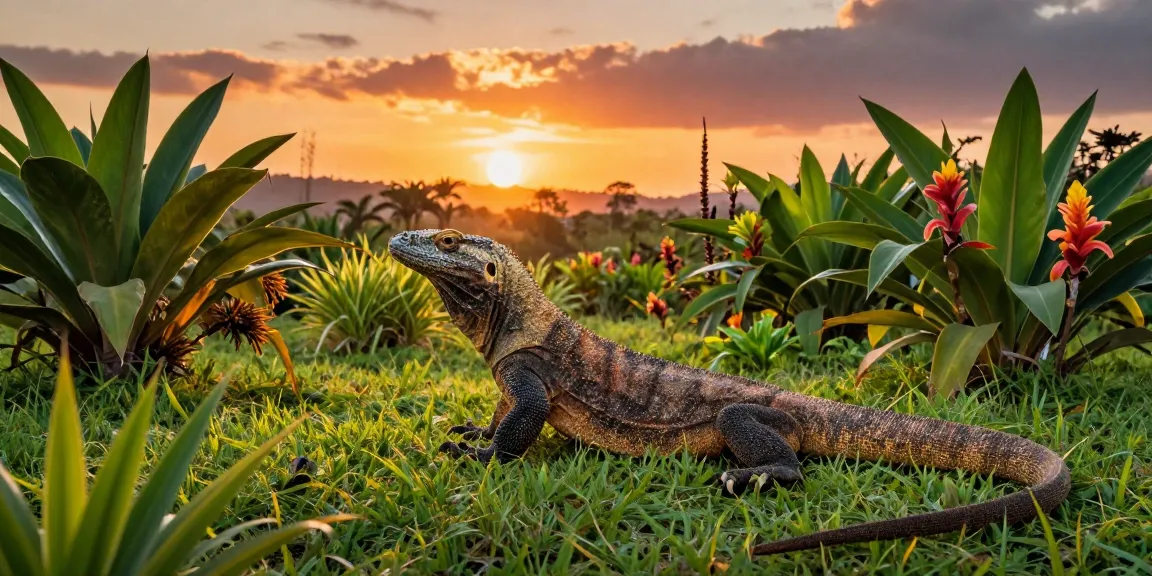
Indonesia hosts a remarkable number of endemic species, such as the iconic Komodo dragon, the Sumatran tiger, and the Javan rhinoceros. These species have evolved in isolation over millions of years, adapting to their specific habitats. For example, the Komodo dragon, the largest living lizard, is found on only a few islands in Indonesia and plays a critical role as a top predator in its ecosystem. Similarly, the Javan rhinoceros is one of the rarest large mammals in the world, with conservation efforts focused on protecting its dwindling population in Ujung Kulon National Park.
Iconic Animals of Indonesia
Besides the Komodo dragon, Indonesia is home to other iconic animals such as the orangutan, known for its incredible intelligence and arboreal lifestyle. Orangutans are crucial for forest regeneration, as they help disperse seeds through their feeding habits. However, their populations are declining due to habitat loss and illegal hunting. Other significant animals include the endangered Bali starling and the critically endangered Sumatran orangutan, both of which require focused conservation efforts.
The Significance of Tropical Ecosystems
Tropical ecosystems in Indonesia provide vital services such as climate regulation, water purification, and soil conservation. The dense forests of Sumatra and Borneo sequester carbon and help stabilize weather patterns, while mangrove forests protect coastlines from erosion and serve as nurseries for marine life. The degradation of these ecosystems poses a significant threat not only to wildlife but also to human communities that depend on these services for their survival.
Challenges and Threats to Indonesia’s Biodiversity
Despite its rich biodiversity, Indonesia faces numerous challenges that threaten its natural heritage. Addressing these threats is crucial for maintaining ecological balance and ensuring the survival of its unique species.
Deforestation and Habitat Loss
Deforestation, driven by logging, agricultural expansion, and urban development, is one of the most significant threats to Indonesia’s biodiversity. It leads to habitat fragmentation, making it difficult for species to survive and reproduce. The conversion of forests into palm oil plantations, in particular, has been alarming, as it not only destroys habitats but also contributes to greenhouse gas emissions.
Climate Change Impacts on Flora and Fauna
Climate change is exacerbating existing environmental challenges, affecting species distribution, breeding cycles, and ecosystems’ overall health. Rising temperatures and changing precipitation patterns disrupt the delicate balance within ecosystems, leading to shifts in species composition and increased vulnerability to pests and diseases. Coral reefs, vital to marine biodiversity, are also suffering from bleaching due to higher sea temperatures.
Conservation Efforts: What’s Being Done?
Numerous organizations and government initiatives are working tirelessly to address these challenges. Protected areas, such as national parks and wildlife reserves, play a crucial role in conserving habitats and species. Additionally, community-based conservation programs engage local populations in protecting their natural resources, emphasizing sustainable practices. International partnerships are also critical in addressing transboundary issues such as illegal wildlife trade and habitat conservation.
Engagement and Education: Raising Awareness About Biodiversity
Education and engagement are essential components of successful conservation efforts. By raising awareness about the importance of biodiversity, communities can foster a sense of stewardship and responsibility toward their natural environments.
Local and Global Conservation Initiatives
Many local and global organizations are dedicated to conserving biodiversity in Indonesia. Initiatives like the Indonesian Biodiversity Foundation work to implement sustainable land-use practices and promote conservation education. Global partnerships, including those with NGOs and research institutions, bolster conservation efforts by providing financial support and technical expertise.
How to Get Involved in Biodiversity Preservation
Individuals can play a role in biodiversity conservation by supporting sustainable products, participating in local conservation initiatives, and advocating for policies that protect natural habitats. Ecotourism, when done responsibly, can also contribute to conservation efforts by providing revenue for local communities while promoting awareness of biodiversity.
Educating Future Generations about Nature
Integrating biodiversity education into school curricula can inspire future generations to appreciate and protect natural resources. Hands-on learning experiences, such as field trips and community projects, can effectively engage students and foster a long-term commitment to environmental stewardship.
The Future of Biodiversity in Indonesia: Trends and Predictions for 2026
Looking ahead, several trends and innovations can significantly impact biodiversity conservation efforts in Indonesia.
Emerging Species and Their Impact
As climate change and human activities continue to alter ecosystems, some species may adapt to new conditions while others may become extinct. Monitoring these changes is essential for understanding how to manage biodiversity and protect vulnerable species.
Innovative Conservation Technologies
Technological advancements, such as satellite imaging and data analytics, can greatly enhance conservation efforts. These technologies allow for better monitoring of wildlife populations and deforestation, providing critical information for effective management and policy-making.
The Role of Community in Biodiversity Conservation
Community involvement is crucial for the success of conservation initiatives. Engaging local populations in decision-making processes ensures that conservation strategies are culturally sensitive and economically viable. Empowering communities to manage their resources effectively can lead to better outcomes for both biodiversity and human livelihoods.
FAQs on Biodiversity and Conservation
What are the most endangered species in Indonesia?
Some of the most endangered species include the Javan rhinoceros, Sumatra orangutan, and Bali starling. Conservation efforts are critical to prevent their extinction.
How can I contribute to biodiversity conservation?
You can contribute by supporting conservation organizations, practicing sustainable habits, and educating others about the importance of biodiversity.
What are the benefits of biodiversity to local communities?
Biodiversity provides critical ecosystem services, enhances food security, and supports livelihoods through sustainable resource use.
How is climate change affecting Indonesian wildlife?
Climate change leads to habitat loss, altered species distributions, and increased vulnerability to diseases, jeopardizing wildlife survival.
What efforts are being made to protect endangered species?
Efforts include habitat protection, breeding programs, and law enforcement against poaching and illegal trade.